Project description
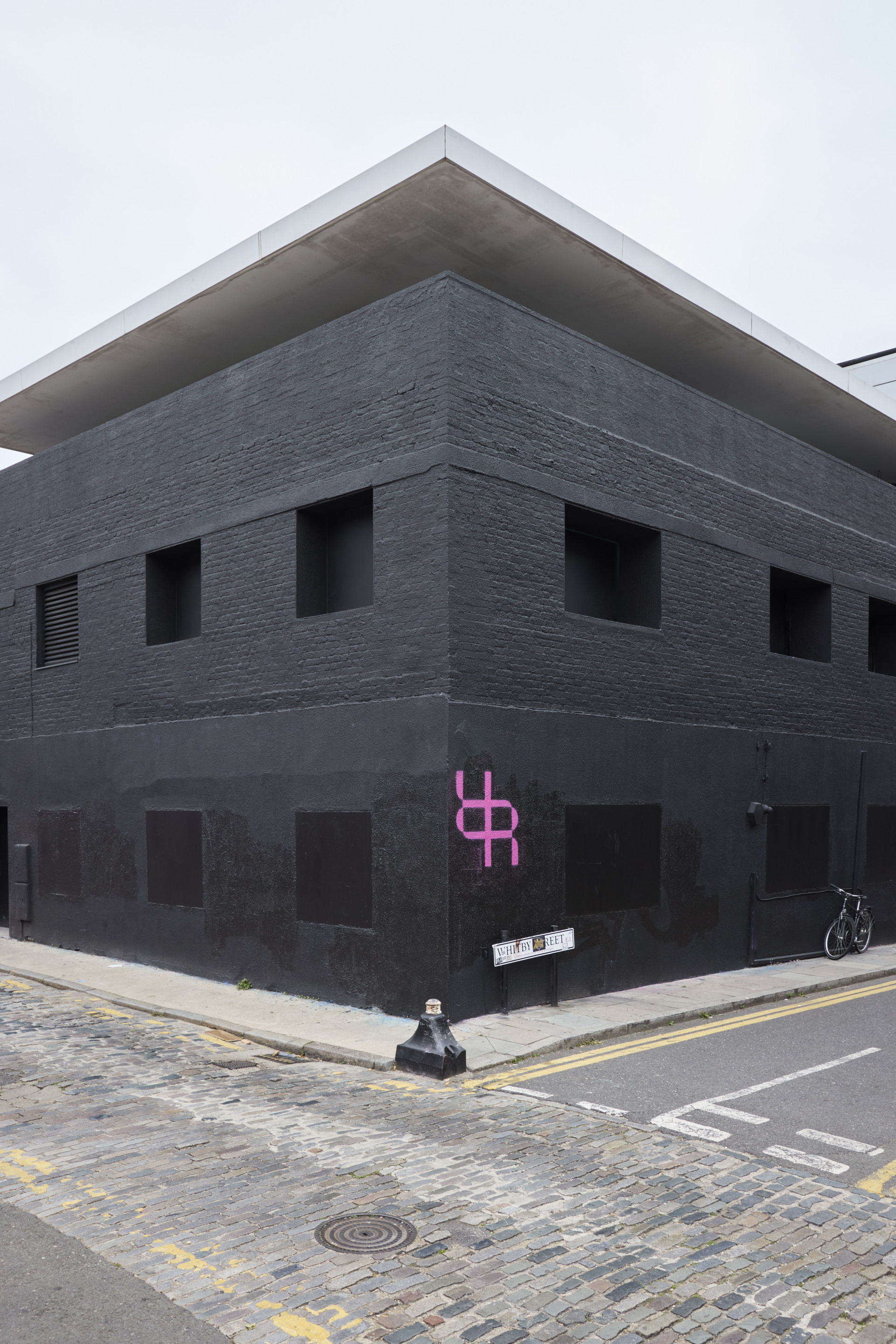
The Rogue Room’s Shoreditch flagship was conceived as a multi-sensory environment for movement, where music, and architecture converge to support states of rest, release, and regeneration. The partnership between Studioshaw and The Rogue Room was rooted in trust and a shared vision for sustainable, human-centred spaces. At the heart of the brief was a commitment to creating an environment that supports nervous system regulation, flow-state experiences, and emotional clarity.
This project allowed us to put our RE:LOW philosophy into action — recycle, restore, repurpose; low-tech, low-impact, low-maintenance — a framework developed through our B Corp certification. RE:LOW guided every decision, steering us away from conventional “elite spa” aesthetic toward something more grounded and authentic: a space defined by material honesty, the quality of practice it holds, and the integrity of its spatial experience.
The future of wellness interiors is not about the latest trend but about light, space, and how people move within them. It is about simplicity, clarity, and environments shaped by purpose rather than decoration. For The Rogue Room, this meant designing with circadian rhythm, flow, and emotional ease in mind — creating a timeless setting where people can settle into yoga or calisthenics practice without distraction or unnecessary visual noise. It is, fundamentally, about building spaces that put people first.
The design is centred on two strands: layout and materiality.
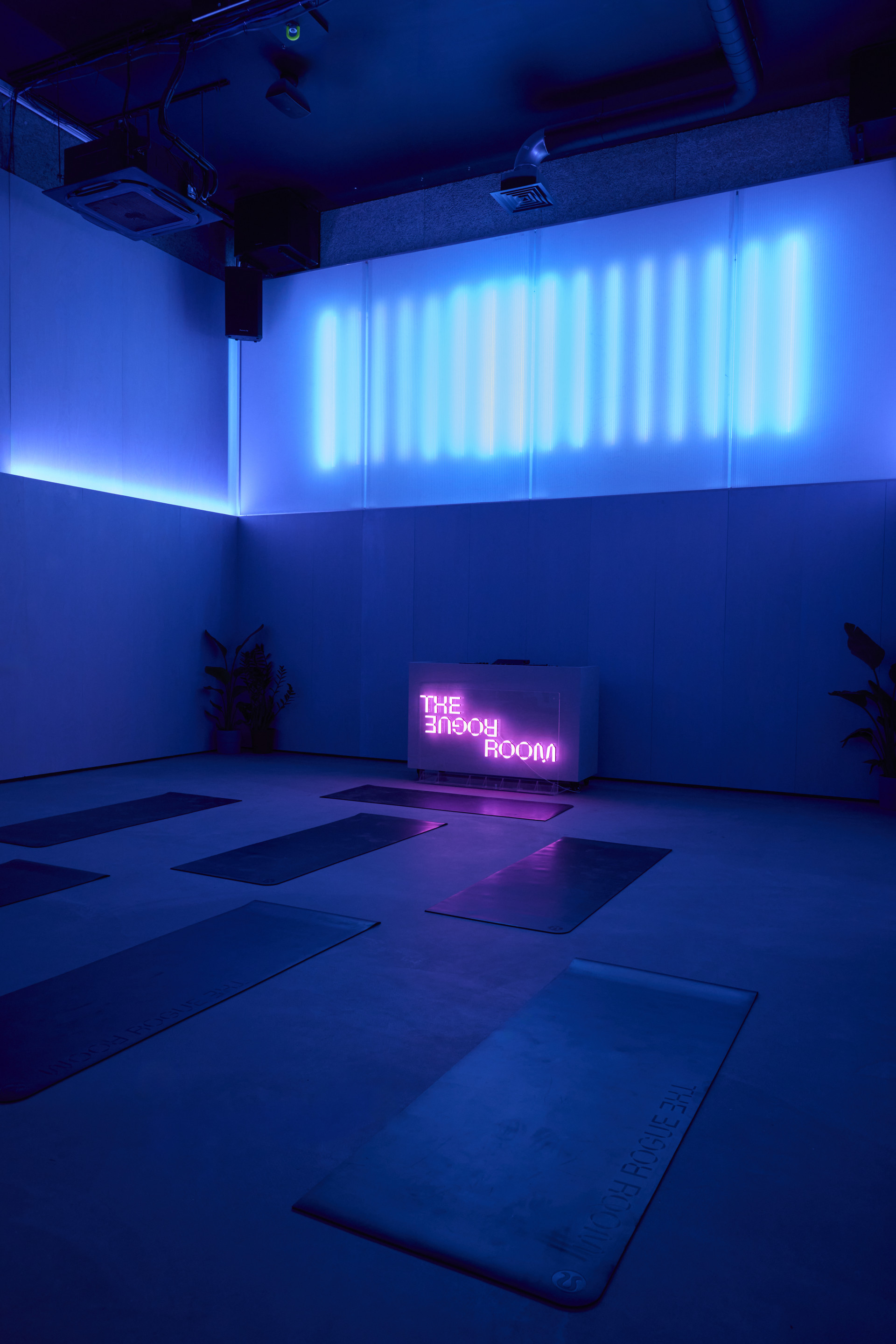
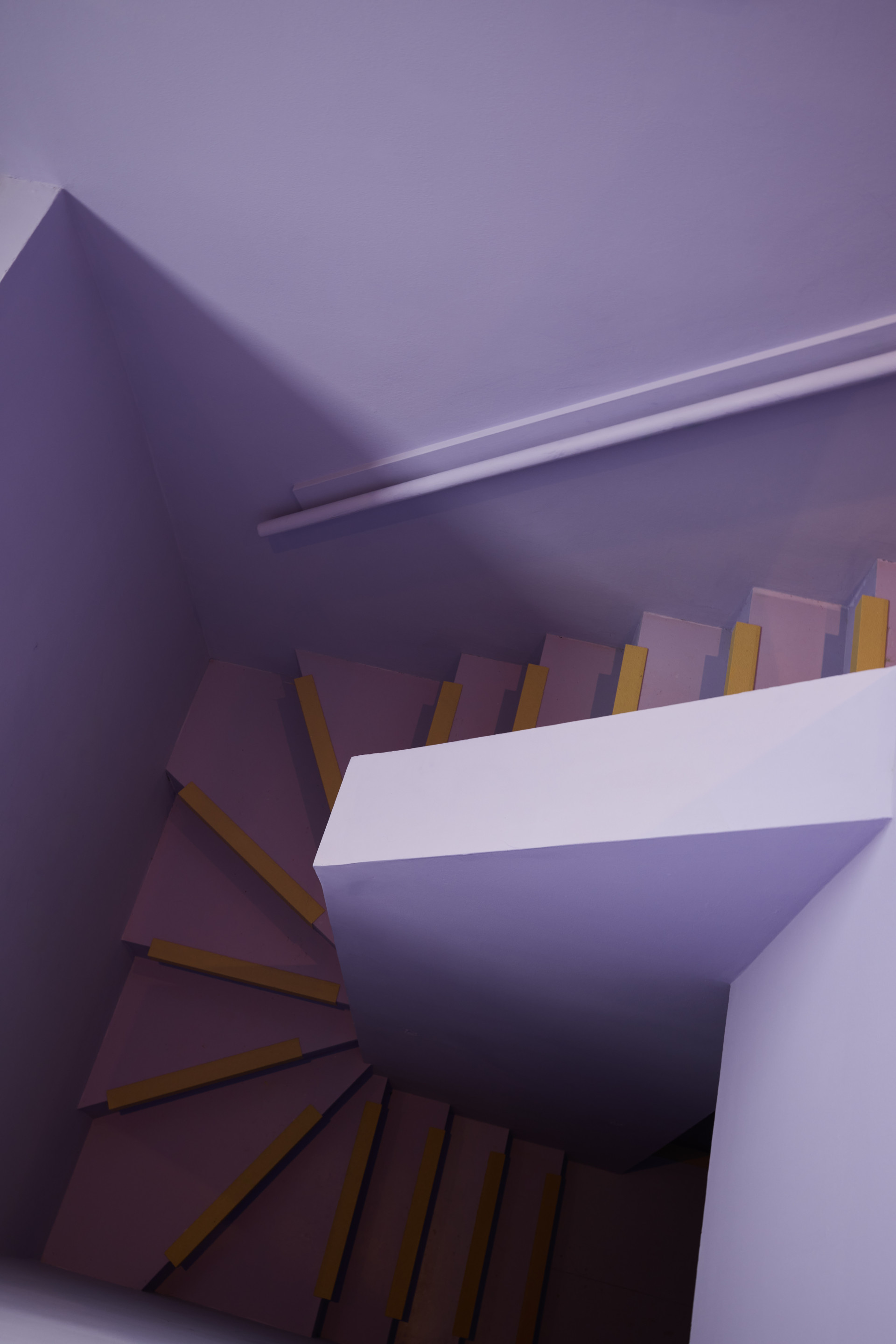
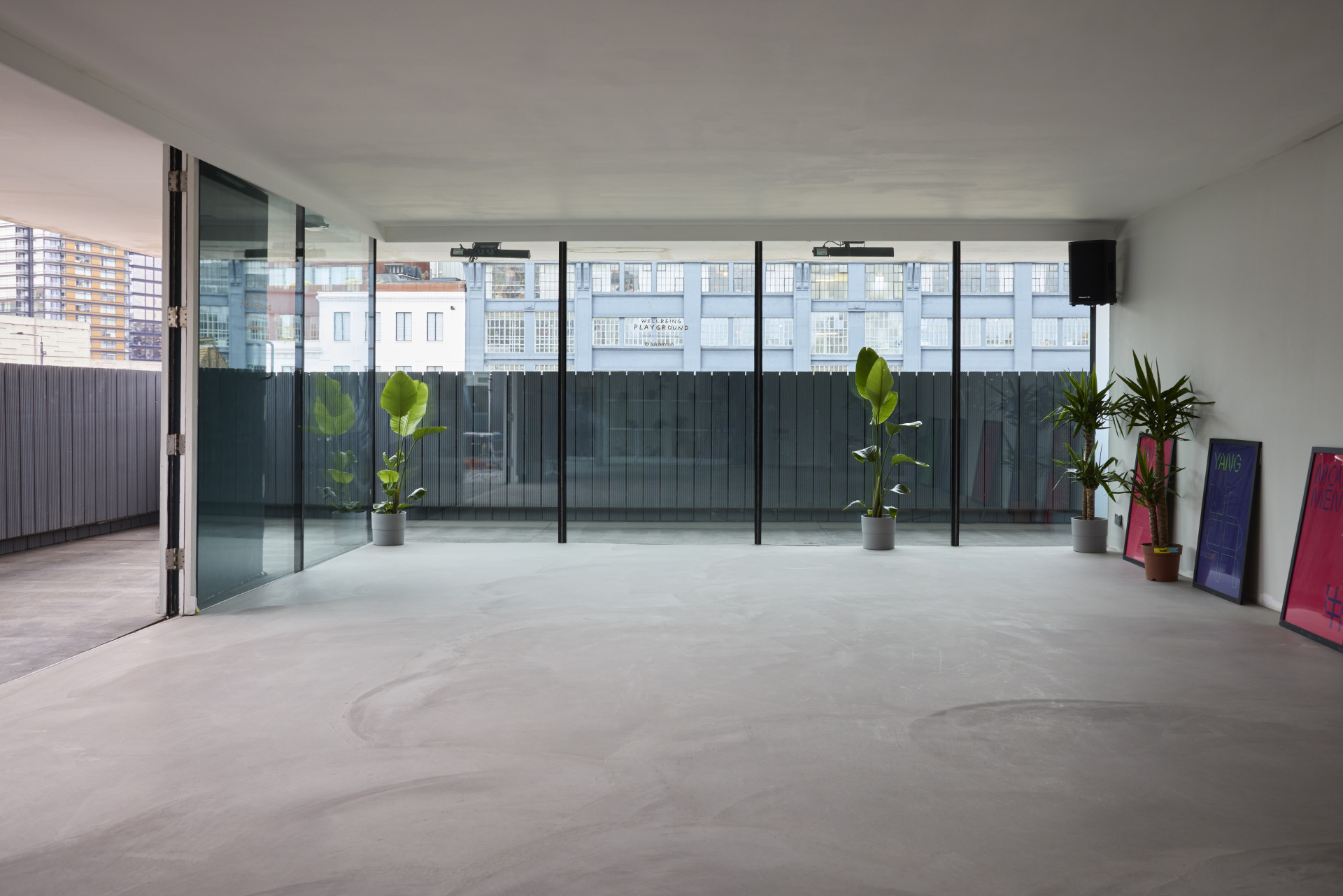
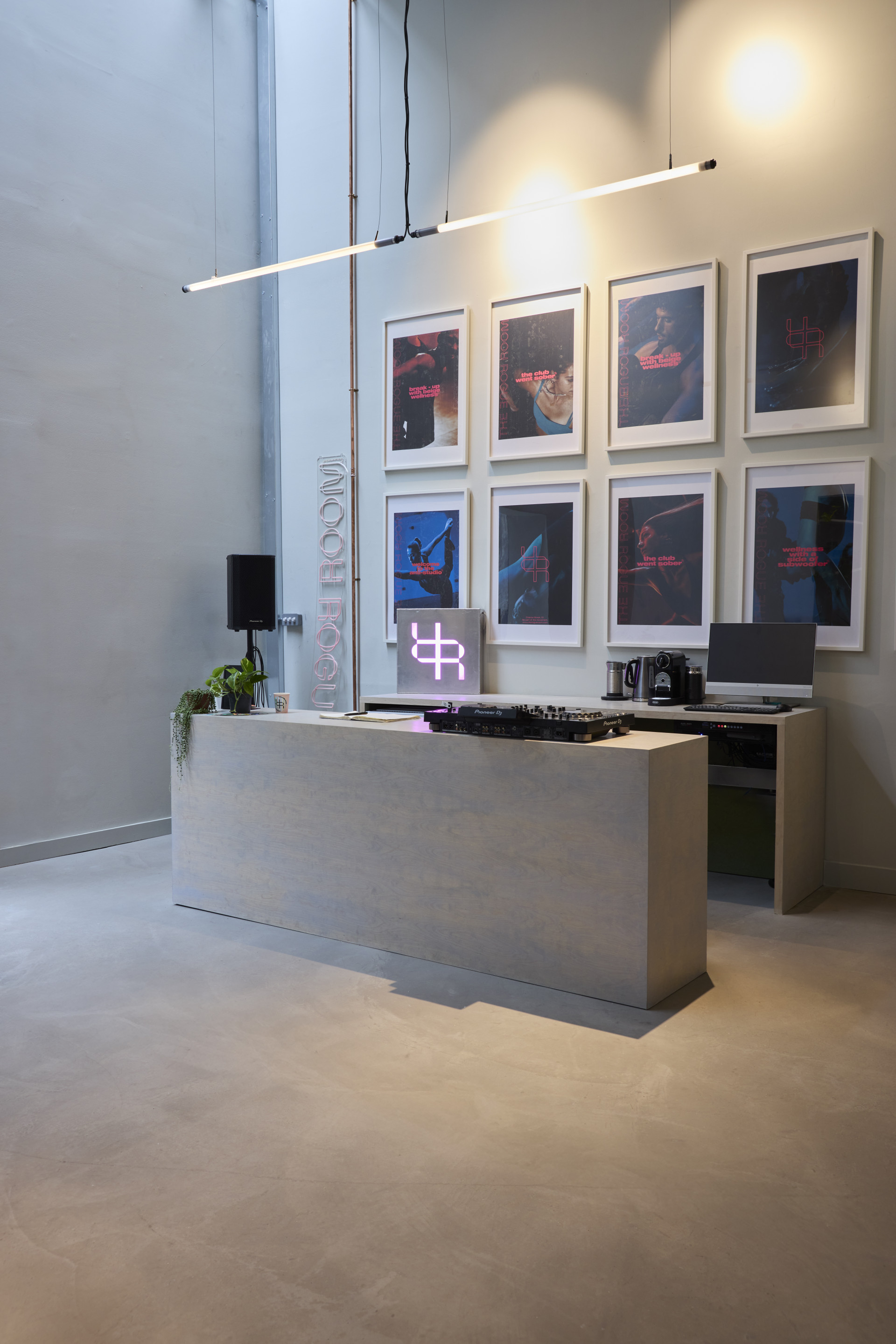
For the layout, we explored how visitors arrive, gather, and transition through space. This led to an unconventional plan anchored by community and collective movement. A compressed entrance sequence opens into expansive, double-height studio, creating an intentional moment of release. Circulation routes double as social thresholds, encouraging a natural flow of conversation before and after classes. We avoid corridors; every passage has purpose and character. It’s a reminder that layouts — in studios or homes — should align with how people actually live and move.
Materiality reinforces this approach. The Rogue Room is grounded in natural, honest materials with minimal environmental impact. Plywood, a carbon-negative alternative to plasterboard, forms the primary finish and is treated with a low-toxicity, highly sustainable stain. Considering carefully the chemicals and synthetic finishes we bring into our environments is crucial, particularly in spaces designed for breath and movement. Reuse and resourcefulness is also central: buildings are the UK’s largest source of waste, and new materials should only be introduced when absolutely necessary, with full understanding of their origins and impacts.
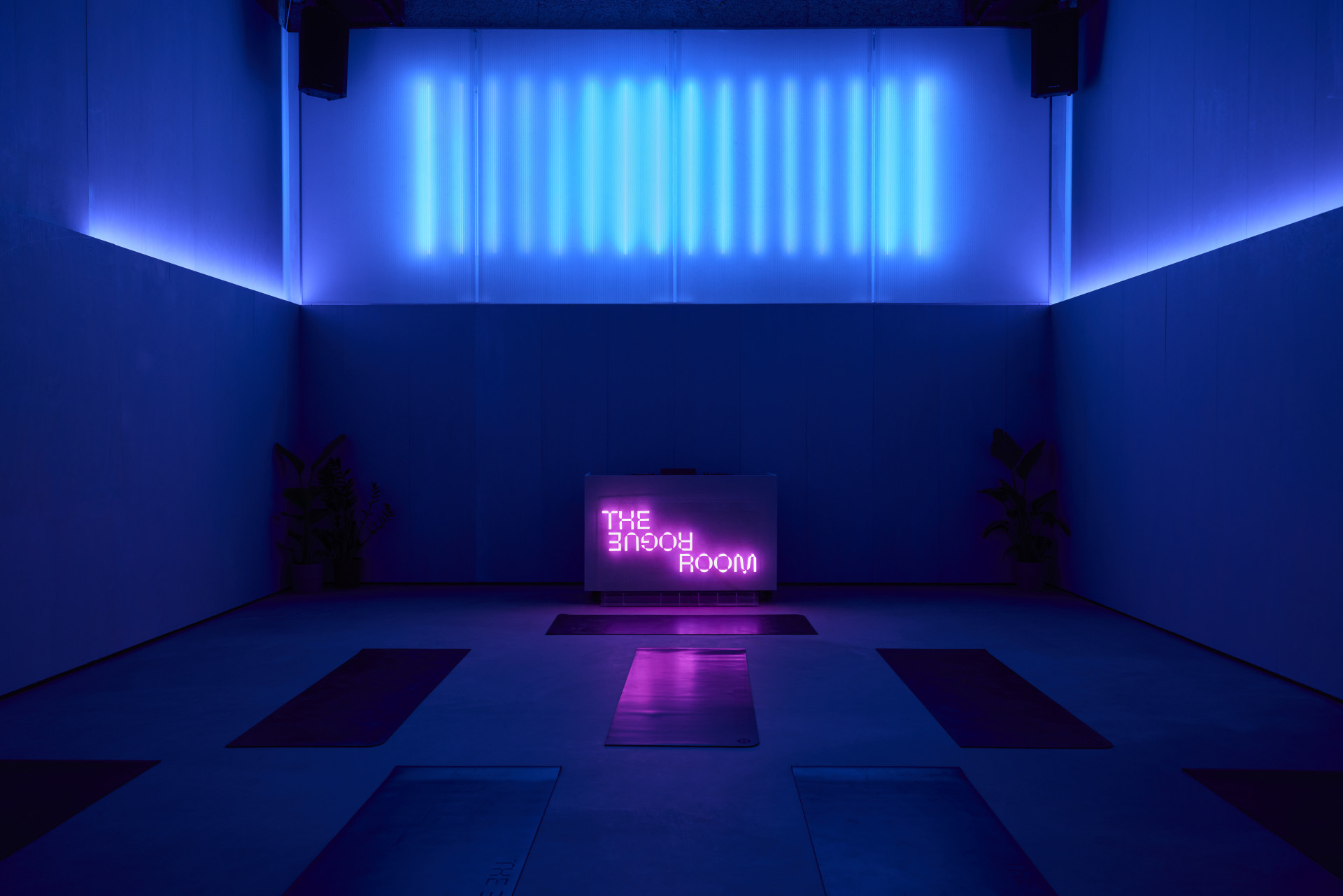
Immersive, circadian-supportive lighting completes the experience, shaping mood and guiding practice. The result is a calm yet impactful interior — one that supports both focused work and collective energy, aligning with The Rogue Room’s vision for rebellious, restorative wellness.
Project images